
Start with Your Mindset: How to Get Your Finances in Order

Starting or maintaining a budgeting system can be a daunting task. Trying different methods until you find one that works is not uncommon. But, having the right attitude toward money, savings, and budgeting plays a crucial role. In this post, we explore five essential mindset shifts - strategies to get your finances in order.
Strategy #1: Embrace Money Transparency
Neglecting your financial situation can be incredibly stressful, particularly when unexpected expenses arise. That's why it's crucial to establish a budget that encourages you to address your finances proactively before a crisis strikes, enabling you to have a clearer and more comprehensive understanding of your financial standing.
By embracing the habit of checking your bank account on a daily basis, you can easily track your progress, make adjustments when necessary, and ultimately feel more empowered and in control of your financial well-being.

Strategy #2: Understand that Budgeting is a Process
When it comes to fi...
Using a Spending Plan to Manage Your Money

Budgeting and spending is always evolving, so having a plan in place to manage your money is a very powerful tool. A spending plan allows you to pivot quickly and make changes on a dime should things suddenly go awry (or, on the flip side, you find yourself with a windfall of good fortune).
Having a plan that gives you a quick overview of what’s coming in and how much you can allocate to spend in which categories will make money management stress-free. As a bonus, when you look at it more often, you can start to spend less time “dealing with” your finances and feeling guilty for treating yourself to a fancy coffee because it’s been a hell of a week and you want to feel good for a moment.
The reality is that when you stop avoiding your finances, you no longer have to fear them and blow it up into a more challenging situation than it really is. A spending plan is simply an evolving relationship with your money and a guide to direct your spending. It will be your best money friend the lon...
Understanding Your Credit Rating: A Plain-English Guide to Your Credit Score
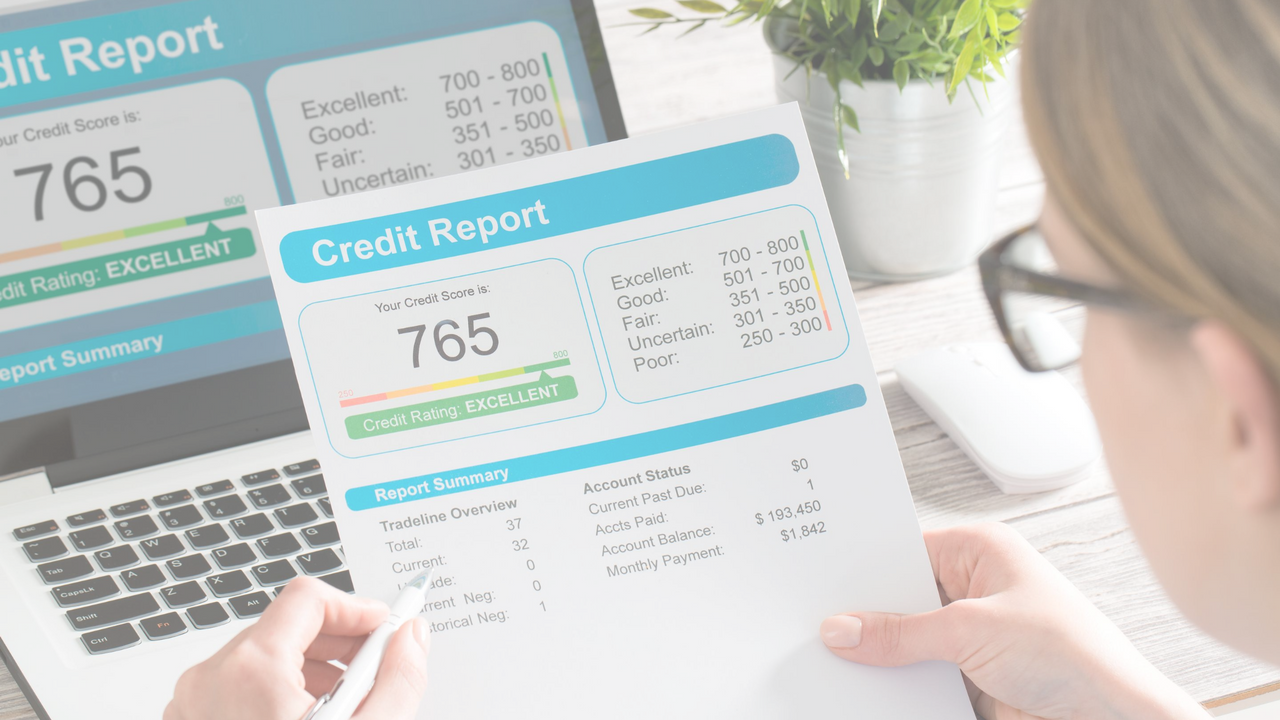
Let me ask you something. When was the last time you actually looked at your credit score? Not the number your banking app flashes at you, but the thing underneath it.
Your credit rating is a three digit number between 300 and 850 that predicts one thing: how likely you are to repay what you borrow. That number decides whether you get approved for a mortgage, what rate you pay on a car loan, and in many states what you pay for insurance. Understanding your credit rating is not about obsessing over the number. It is about knowing which five things move it, so you stop guessing.
Here is what I see over and over. Smart, capable women who can run a household budget in their head have never been told how the score is actually calculated. That is not a gap to feel bad about. Nobody teaches this.

What the number actually measures
The range runs from 300 to 850, and higher means lower risk to a lender.
You do not have one credit score. You have several. Different scoring models and diff...
How to Teach Kids to Save Money (And Why It Matters More Than Ever)

One of the questions I hear most often from parents is some version of: "How do I get my kid to stop spending every dollar the second it lands in their hands?"
It is such a good question, and honestly, it is one I wrestle with in my own home too.
Here is what I know for certain: teaching kids to save money is not just about the dollars. It is about building the relationship with money that they will carry into adulthood. Every habit we help them form now, whether it is resisting the impulse buy or working toward a goal, is laying the foundation for the financial decisions they will face later.
And that is worth every conversation, every teachable moment, and yes, every negotiation over the toy aisle.
Why Teaching Kids to Save Is Harder Today
Let us be real: we are raising kids in the age of instant gratification. Two-day shipping. One-click purchasing. Digital wallets that make money feel invisible. The concept of waiting and saving runs completely counter to the world they are na...
How to Spring Clean Your Finances: A Checklist for Women Ready for a Fresh Start

You scrub the baseboards. You donate three bags of clothes. You finally tackle that junk drawer. And then you sit down and feel genuinely good about your space.
But when was the last time you did that for your money?
Spring cleaning your finances is not just about tidying up numbers on a spreadsheet. It is about getting honest with where you are, getting clear on where you want to go, and building a system that actually works for your real life. Not someone else's. Yours.
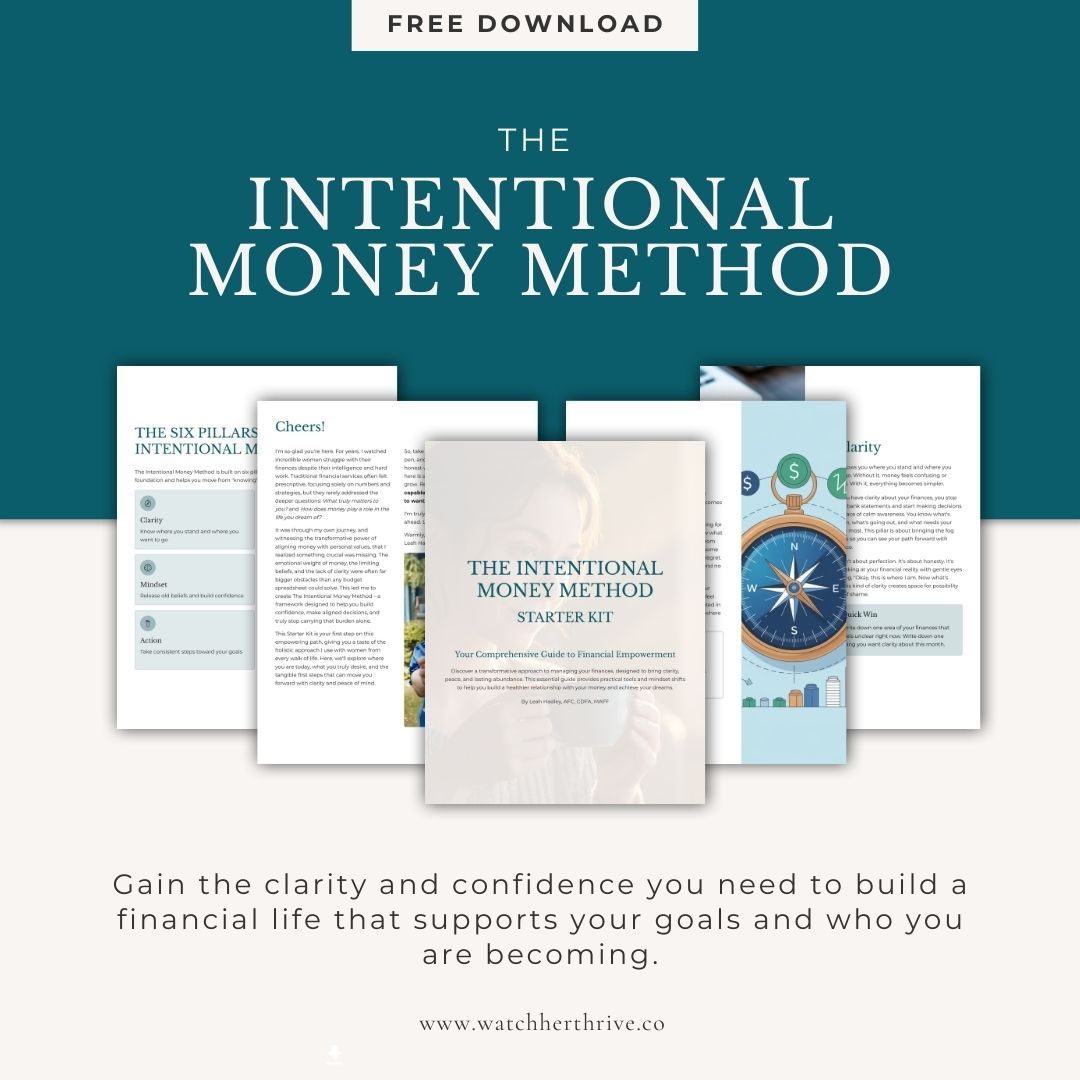
I talk about this a lot in my book, Intentional Money: The Modern Woman's Guide to Building Wealth, Purpose and Peace. The very first pillar of what I call the Intentional Money Method is Clarity. Not perfection. Not having everything figured out. Just the willingness to look.
Spring is the perfect time to look. First quarter is done. Taxes are hopefully filed. And there are still nine months left in the year to make meaningful progress toward your goals.
So let's do this together. Here is your step-by-step sprin...
The Best Board Games That Teach Kids About Money

No kid wants to sit down for a lecture about budgeting. And honestly, no parent really wants to give one.
But games? Games are different. When kids are playing, their guard is down. They are making decisions, dealing with consequences, navigating wins and losses, and absorbing concepts without realizing it is happening. That is exactly why I love using board games as a financial literacy tool.
I have been a financial planner for nearly two decades, and one thing I believe deeply is that the money habits and beliefs our kids develop start early. The conversations that happen around a game board, about why they ran out of money, about whether to spend or save, about what it means to owe someone else, are some of the most natural and effective financial education you can give.
These are the games we actually play in our house, along with what each one teaches.

Board Games for Teaching Kids About Money
The classic for a reason. Monopoly covers an impressive range of financ...
Effectively Managing Debt: Understanding Good vs. Bad Debt

Are you bewildered by the complex nature of debt? Indeed, dealing with debt can be an intricate process. Like many others, I was once inundated with student loans, credit cards, and car payments, making it seem like a financial breather was impossible. However, believe it or not, not all debt is detrimental. Let's delve into how you can effectively manage your debt by distinguishing between good and bad debt.
How Debt Can Derail You
To many, debt is synonymous with financial doom. True, certain types of debt can jeopardize your financial stability and impede your progress toward a secure financial future. It's important to understand the broad spectrum of debt and how each type affects your credit differently. Bad debt could comprise upside-down loans, high-interest rates, debt exceeding your worth, or simply poor financial decisions like payday loans.
Detrimental Debt Actions
Incurring a loan for something you couldn't outright afford often leads to negative debt scenarios. This t...
Online Bill Payment: How to Build a System That Runs Without You

Let me ask you something. How many of your bills still require you to remember them?
An online bill payment solution is any setup that moves money to your billers without you handling it by hand, whether that is your bank's bill pay service, autopay with each individual company, or a mix of both. The convenience is not really the point. The point is that a system does not need you to be organized, rested, or paying attention in order to work.
That is the difference between good intentions and a system. Good intentions need you to show up every single time. A system keeps running while you are busy, traveling, sick, or simply tired of thinking about money.
What online bill pay actually does for you
The obvious benefit is that you stop paying late fees. The real benefit is that you stop spending attention.
Every bill you pay manually costs you a small decision. Remembering it exists, finding the amount, logging in, paying it. Ten bills a month is ten decisions, plus the low background hu...
Should You Pay Off Debt or Save For Retirement?

Juggling multiple financial goals can be stressful and confusing. It's especially challenging to make progress on other financial goals when you're drowning in debt. The message is clear when it comes to saving for retirement - start early! However, some financial gurus are adamant that you should pay off all of your revolving debt before investing for retirement. So, should you pay off your debt first or start saving for retirement? How do you decide?
#1 Make a Budget
When making your budget, you have to consider everything. Evaluate how much you make, your expenses such as insurance (health and vehicle), utilities, groceries, etc. your debts, and your saving plans. When figuring out each month what you can afford, we have to make sure we have every aspect covered in our life. Going through the budgeting process will help you determine the money you have available for debt repayment as well as for retirement savings.
For each debt, be sure to identify the balance, the associate...
Money and Relationships: How to Get (and Stay) on the Same Financial Page

I believe that when you’re intentional with your money, it stops being a source of stress and starts becoming a tool for building the life you actually want. That’s true for individuals, and it’s especially true for couples.
But here’s what I see all the time: couples who love each other deeply still struggle with money. Not because they don’t care, but because most of us were never taught how to have real, honest financial conversations. And if you can’t talk about money openly, you can’t manage it together. That’s where the disconnect starts.
Whether you’re in a new relationship or you’ve been married for twenty years, financial communication isn’t something you figure out once and move on from. It’s an ongoing practice. The couples who get it right aren’t the ones who never disagree about money. They’re the ones who approach it with intention and have a system for working through it together.
If money conversations with your partner tend to end in frustration, or if you feel like...

Leah Hadley, AFC, CDFA, MAFF
Leah Hadley, AFC® CDFA® MAFF™, is a bestselling author and financial planner with over 20 years of experience helping women build wealth with intention. She is the founder of Watch Her Thrive and Intentional Wealth Partners, and the author of Intentional Money: The Modern Woman's Guide to Building Wealth, Purpose & Peace.

Amazon Affiliate Disclosure
Watch Her Thrive is a participant in the Amazon Services LLC Associates Program, an affiliate advertising program designed to provide a means for sites to earn advertising fees by advertising and linking to amazon.com.
Investment Advisory Disclosure:
Leah Hadley is a Licensed Investment Adviser Representative and the Founder of Intentional Wealth Partners, a Registered Investment Adviser. Advisory services are offered exclusively through Intentional Wealth Partners.
Watch Her Thrive is not a Registered Investment Adviser and does not provide individualized investment advice, financial planning, or securities recommendations. All content provided through Watch Her Thrive is for educational and informational purposes only.