
When Abundance Mindset Becomes Financial Self-Sabotage

I need to tell you about a conversation I had that has been sitting heavy on my heart.
A woman came to me $47,000 in credit card debt. She makes good money. She is smart, capable, and successful in her career. And she could not figure out how she got there.
As we dug into her spending patterns, a theme emerged. Every purchase was justified with some version of: "I'm claiming abundance." "The money will show up." "You have to spend money to make money." "I'm investing in myself." "Scarcity mindset is what's really expensive."
She had taken courses she never completed. Bought business coaching programs while her business barely broke even. Purchased a luxury car because "successful people drive nice cars." Invested in a mastermind she could not afford because she was "afraid of staying small."
Every decision made sense in the moment. Every purchase felt like an act of faith in her future self. Every swipe of the card felt like choosing abundance over scarcity.
And now she is drownin...
Setting Financial Boundaries With Adult Children Without Guilt
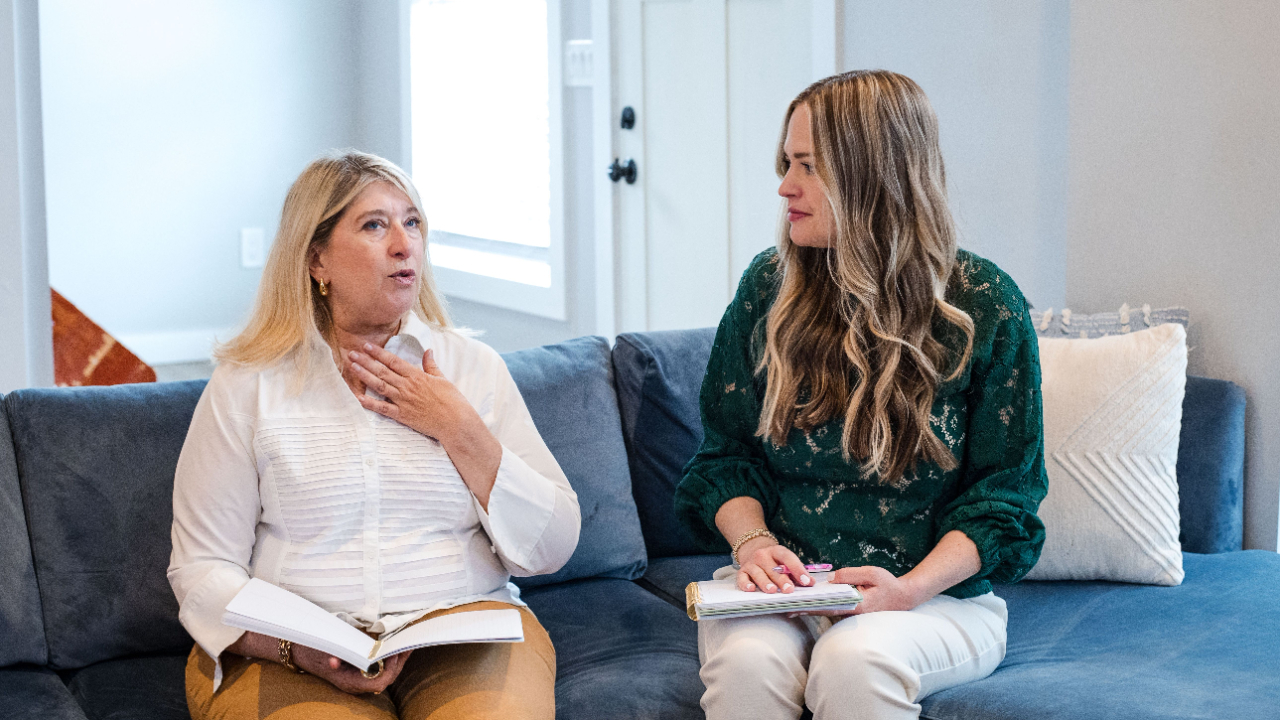
You love your kid. You also have a retirement to fund. And somewhere in the middle of those two things, you have been quietly saying yes when you probably should have said something else.
I hear some version of this almost every week.
"I want to help my kid. But I'm starting to feel anxious. Resentful. Like I'm stretched in every direction and there's nothing left for me."
If that lands for you, take a breath. Nothing has gone wrong. That feeling of tension is often where awareness starts. And awareness is where everything changes.
Supporting adult children financially is an expression of love. I truly believe that. But when that support has no shape, no limit, no clarity around it, it stops feeling like generosity and starts feeling like a slow drain. On your finances. On your peace. On your relationship with your kid.
Setting financial boundaries with your adult children is not about loving them less. It is about creating something sustainable for both of you.

Why This Is Esp...
Building a True Money Partnership: How Women Can Create Trust, Transparency, and Confidence with Their Finances

When it comes to feeling confident with your money, most women aren’t just looking for investment returns. They’re looking for relationship returns.
A true money partnership between a woman and her financial team goes deeper than numbers or market performance. It’s about trust. It’s about being heard and respected. And it’s about having people beside you who help you align your money with your values, your goals, and your bigger vision for your life.
In The Empowered Sisterhood, we talk a lot about reclaiming your financial power. One of the most powerful ways to do that is by building a financial partnership that feels genuine and grounded in mutual respect.
Let’s look at what that kind of partnership really means and how you can start creating it today.

Trust Is the Heart of Financial Empowerment
Trust is the foundation of any healthy relationship, and that includes your relationship with your advisor.
When you trust your financial team, you feel comfortable asking questions...
Why Saving Still Matters: How to Build the Habit That Actually Protects Your Future
Investing gets all the attention.
Stock market highs make headlines. New investment strategies go viral. Everyone has a hot take on what to do with your money right now. And somewhere in all of that noise, saving quietly gets dismissed as the boring option for people who are not ready to do the exciting stuff yet.
That is exactly backwards.
Saving is not a stepping stone to real financial planning. It is the foundation that makes everything else possible. Without it, your investments are fragile, your options are limited, and every unexpected expense becomes a financial crisis.
I see this play out regularly with the women I work with. The ones who feel genuinely secure in their finances are almost always the ones who have built a consistent saving habit alongside everything else. Not instead of investing. Alongside it.
Here is why saving still deserves your attention and how to build a habit that actually sticks.
The Brain Trick That Works Against You
One of the biggest obstacle...
How to Keep The Winds of Change from Blowing You Off Course

by Liesel Darby, Mediator & Divorce Coach
What do the following have in common?
- You’re in the grocery store, looking for your favorite brand of stone-ground mustard, only to find that they no longer carry it. The replacement brand is twice the price, and you don’t like the packaging either.
- You’re accustomed to your second shift schedule, but you have just been informed that you are moving to first shift for the foreseeable future. This throws a wrench in your Pilates class schedule.
- Your spouse has just announced that he is leaving you for the neighbor down the street that you have been casually saying hi to on your evening walks if she’s out in the yard.
If you answered “things that make you go hmmmm,” you are partly correct. Actually, these are all examples of change, albeit in varying degrees of the impact it will have on a person’s life. New mustard brand versus your world being turned upside down by divorce are not on the same par, for sure. If you’ve been around in this...
Life Isn't Fair: How Women Can Build a Stronger Money Mindset Anyway

by Liesel Darby, Mediator & Divorce Coach
Growing up, you probably heard the "F-word" at some point, and it wasn't "fudge." In this post, we're talking about a different F-word, one that can quietly undermine your financial empowerment and overall wellbeing: FAIRNESS.
For women navigating careers, money, relationships, and midlife transitions, the belief that things should be fair can be a surprisingly powerful obstacle. Here's what the research and real life experience tell us about why fairness thinking holds us back, and what to do instead.
Why "Life Isn't Fair" Is Actually Useful Wisdom for Women
The concept of fairness seems harmless enough. It has the ring of righteousness. When things go our way, fairness feels like justice. But that's precisely the problem: the expectation that things should be fair sets us up for indignation, resentment, and paralysis when life doesn't deliver.
At the extreme end, a rigid attachment to fairness can keep us stuck, waiting for the world to ...
Financial Empowerment for Women: The Complete Guide to Building Confidence, Clarity, and Lasting Wealth

Financial empowerment is a crucial aspect of personal growth for women, enabling them to take control of their financial futures. This guide aims to provide actionable insights into building financial confidence, clarity, and lasting wealth. Women often face unique challenges in financial management, from societal expectations to a lack of representation in financial sectors. By addressing these issues, this article will explore strategies for enhancing financial literacy, effective budgeting, and investment practices tailored specifically for women.
Indeed, the broader impact of financial literacy on women's economic empowerment is well-documented, underscoring its foundational role in societal development.
Throughout this guide, readers will learn about the importance of a positive money mindset, practical budgeting techniques, and the basics of investing. Additionally, we will highlight resources and community support available to women seeking financial guidance. By the e...
Navigating Difficult Financial Conversations

Financial conversations can be tough to navigate in life. Whether it's discussing budgets with your spouse, talking to your children about spending habits, or helping aging parents handle their estate, these discussions require courage and tact. Managing these challenging financial conversations successfully is crucial, and it's understandable if you feel overwhelmed. Rest assured, you're not alone. Many people face similar situations and find it comforting to have guidance and support. If you're looking for help in navigating these conversations, know that there are resources available to assist you on your financial journey.
As a financial planner and mediator, I deeply understand the challenges that conversations about money can bring. We've gathered a few valuable tips along our journey that we'd love to share with you.
We're here to provide support and guidance as you navigate these important discussions. With our compassionate and empathetic approach, we aim to help you achieve...
Building Financial Confidence: How Women Can Develop a Stronger Money Mindset and Take Intentional Action

I remember the full range of emotions I felt when I bought my first house in 2007. Pride that I was doing something so significant. Worry that I was making the wrong decision. Excitement to finally have a place of my own. And overwhelming anxiety about all the new expenses and responsibilities ahead of me.
What I didn't realize at the time was that I was doing exactly what it takes to build financial confidence. I was taking intentional action, even in the face of fear.
Building financial confidence is a journey, not a destination. With each financial decision, we get an opportunity to flex our confidence muscles. Yet so many women shy away from these moments due to fear, self-doubt, or the belief that they don't know enough yet. What if the very act of making decisions, imperfect, uncertain, sometimes scary decisions, is exactly what builds the confidence we're waiting to feel?

Clarity and Values Come First
Before you can take confident financial action, you need two things: cla...
Scarcity vs. Abundance Mindset: What If We've Been Asking the Wrong Question?
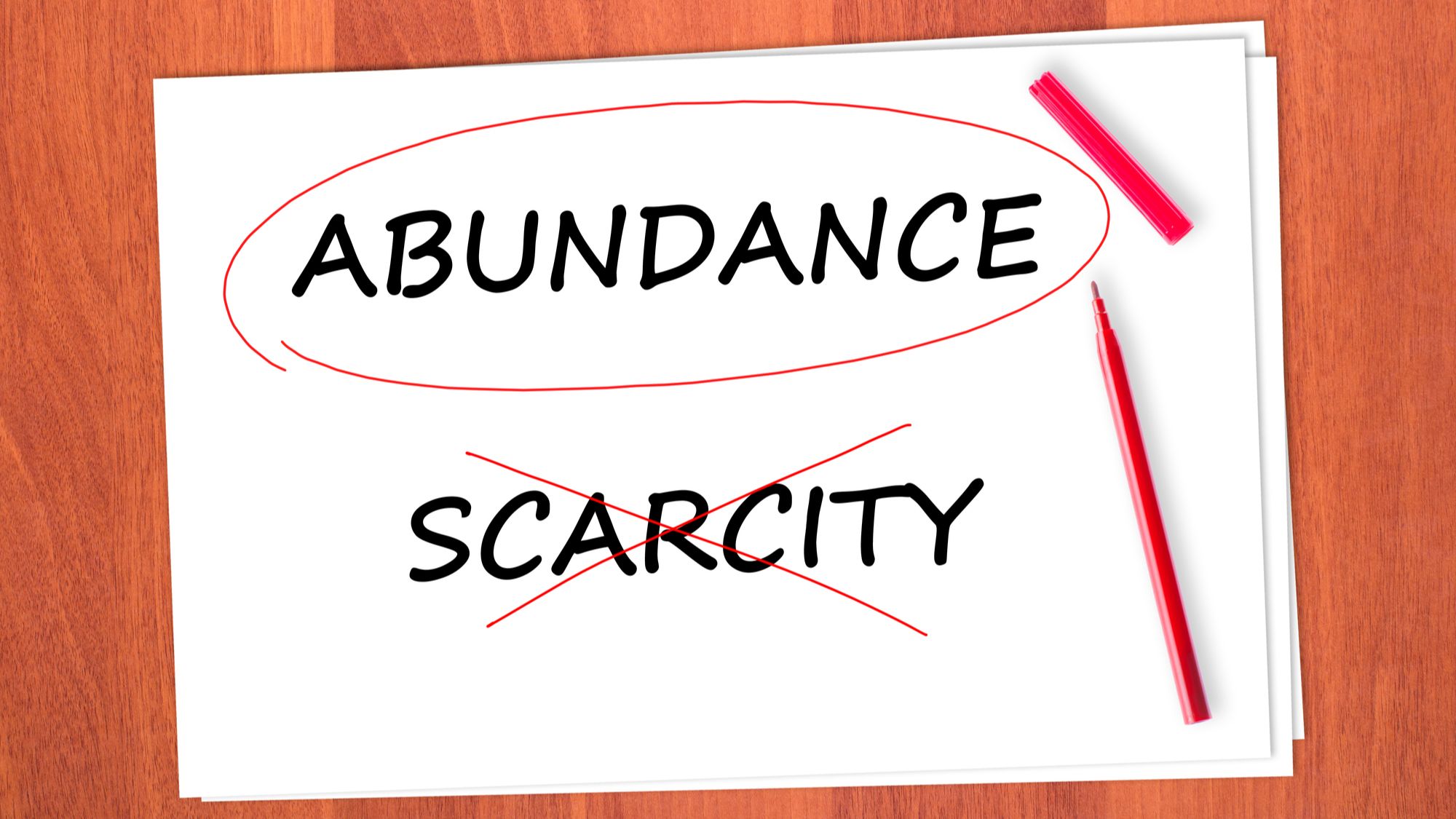
If you've spent any time in the personal development or financial wellness space, you've definitely heard about scarcity mindset versus abundance mindset. And the message is usually pretty clear: scarcity thinking is bad, abundance thinking is good. If you just shift your mindset to abundance, money will flow to you.
But what if this entire framework is completely missing the point?
As a financial planner who has worked with hundreds of women navigating major financial transitions, I've seen firsthand how the scarcity vs. abundance debate can actually harm people rather than help them. After years of watching clients struggle with shame around their "scarcity mindset," I'm ready to challenge this binary thinking.
The real question isn't whether you have a scarcity mindset or an abundance mindset. The real question is: Are you letting fear make your decisions?
Let me explain.

What Is Scarcity Mindset?
Scarcity mindset is the belief that there's never enough. Not enough money, n...

Leah Hadley, AFC, CDFA, MAFF
Leah Hadley, AFC® CDFA® MAFF™, is a bestselling author and financial planner with over 20 years of experience helping women build wealth with intention. She is the founder of Watch Her Thrive and Intentional Wealth Partners, and the author of Intentional Money: The Modern Woman's Guide to Building Wealth, Purpose & Peace.

Amazon Affiliate Disclosure
Watch Her Thrive is a participant in the Amazon Services LLC Associates Program, an affiliate advertising program designed to provide a means for sites to earn advertising fees by advertising and linking to amazon.com.
Investment Advisory Disclosure:
Leah Hadley is a Licensed Investment Adviser Representative and the Founder of Intentional Wealth Partners, a Registered Investment Adviser. Advisory services are offered exclusively through Intentional Wealth Partners.
Watch Her Thrive is not a Registered Investment Adviser and does not provide individualized investment advice, financial planning, or securities recommendations. All content provided through Watch Her Thrive is for educational and informational purposes only.