
The Best Money Books for Women in 2026: 10 Reads That Will Change How You Think About Wealth
By Leah Hadley, CDFA, MAFF, AFC
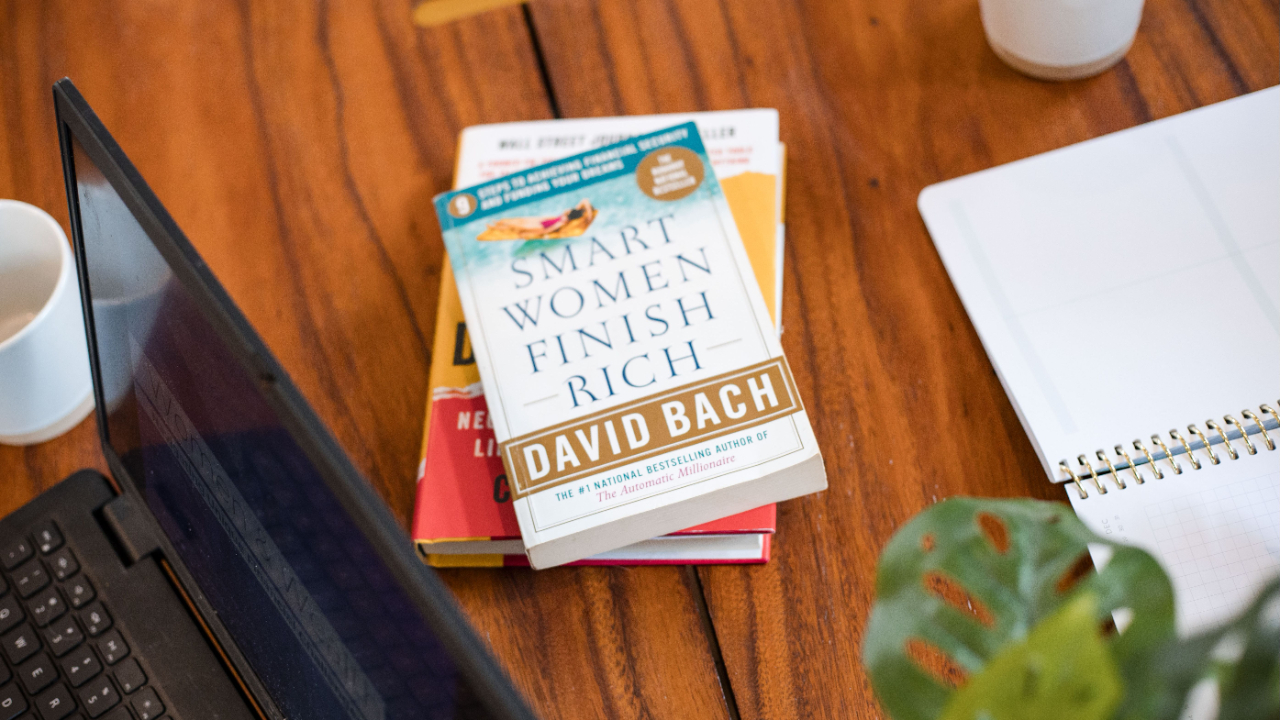
I still remember the first financial book that made me feel like someone was finally talking to me. Not at me. Not over my head. Directly to me as a woman trying to figure out her financial life. It was David Bach's Smart Women Finish Rich, and it landed in my hands at exactly the right time.
Since then, I've read dozens of personal finance books, and I keep coming back to the ones that do more than just explain compound interest. The books that stick are the ones that help you understand *why* you think about money the way you do and then give you practical tools to do something about it.
Whether you're rebuilding after a major life transition, trying to get a handle on investing for the first time, or just ready to stop feeling anxious every time you check your bank account, there's a book on this list for you. I've included a mix of classics and newer voices, covering everything from mindset to strategy to building real wealth.
Here are the 10 money books I recommend most to the women in my life, including why each one matters and who it's best for.
1. Smart Women Finish Rich by David Bach
This is the book that started it all for me. Bach wrote it because he was tired of watching women come into his office after a divorce completely in the dark about their own finances. That origin story alone tells you something about why this book resonates so deeply.
What makes it special is that Bach connects money to values first. Before you get into the nuts and bolts of investing or saving, he asks you to think about what a "rich life" actually means to you. His nine-step program is practical and accessible whether you're working with a modest income or managing a significant portfolio.
The expanded and updated edition reflects current financial realities while keeping the core message intact: you don't need anyone's permission to take charge of your financial future.
Best for: Women who are just starting to take control of their finances, or anyone who wants a comprehensive yet approachable guide to building wealth on their own terms.
---
2. The Latte Factor by David Bach
I love this book so much I wrote an entire article about it (you can find it on the Watch Her Thrive blog). Bach takes the concept he's famous for, that small, consistent financial choices add up to massive results over time, and wraps it in a parable about a young woman named Zoey who's living paycheck to paycheck despite having a good job.
The story format makes the financial lessons stick in a way that charts and spreadsheets sometimes don't. And despite the name, the book isn't really about giving up your coffee. It's about three powerful principles: pay yourself first, automate your savings, and start living rich now rather than waiting for some future "someday."
This is actually the book that made me take a hard look at my own spending. I realized my latte factor was Diet Coke. When I added up what I was spending on it, I was genuinely shocked. That one awareness shift changed how I thought about all of my small daily expenses. We all have a latte factor. The point isn't deprivation. It's awareness.
Best for: Women who learn better through stories than textbooks, and anyone who feels like they can never seem to save no matter how hard they try.
---
3. We Should All Be Millionaires by Rachel Rodgers
I picked up this book when I was a few years into growing my business, and it hit me at exactly the right time. As a Black woman, mother of four, attorney, and self-made millionaire, Rachel Rodgers brings a perspective to wealth-building that most financial books completely miss.
What I appreciate most is that she doesn't just tell you to save more and spend less. She challenges you to think bigger about your earning potential and to stop making what she calls "broke-ass decisions," the choices that keep you playing small financially and professionally. She also doesn't shy away from the systemic barriers that have kept women, and especially women of color, from building wealth.
I'll be honest: that phrase stuck with me for months. Every time I was about to undercharge for a service, say yes to something that didn't serve my business, or talk myself out of an investment that could help me grow, I'd hear Rachel's voice in my head asking, "Is this a broke-ass decision?" It became a filter for how I evaluated choices in my business and my life. That kind of lasting mindset shift is rare from a book.
The book also includes practical strategies alongside the mindset work, including her well-known $10K in 10 Days Challenge that hundreds of women have completed with real results.
Best for: Women who are ready to stop thinking small about money and start building serious wealth, especially entrepreneurs and business owners.
---
4. You Are a Badass at Making Money by Jen Sincero
If you need someone to grab you by the shoulders, look you in the eye, and tell you that you deserve to be wealthy (in the funniest, most irreverent way possible), Jen Sincero is your person.
This book zeroes in on the mental and emotional blocks that keep us stuck financially. Sincero is ruthlessly honest about her own journey from living in a converted garage to building real wealth, and she makes you believe that if she can do it, so can you.
It's heavier on mindset than spreadsheets, which makes it a perfect complement to more tactical books on this list. Sometimes the thing standing between you and financial growth isn't a lack of information. It's a belief system that needs to be dismantled. That's exactly what this book does.
Best for: Women who know what they *should* be doing with money but can't seem to make themselves do it. If your money blocks are more emotional than educational, start here.
---
5. Financial Feminist by Tori Dunlap
Tori Dunlap saved $100,000 by age 25, quit her corporate job, and built a platform dedicated to fighting for women's financial rights. Her book blends practical money management with a sharp analysis of why the financial system works against women and what you can do about it.
What I appreciate about this book is that it doesn't pretend the playing field is level. Dunlap is direct about the gender pay gap, the investing gap, and the ways women have been conditioned to feel ashamed about wanting money. Then she gives you the tools to negotiate your salary, start investing, and build wealth anyway.
The tone is energetic and unapologetic, which makes it particularly appealing if you're in your 20s or 30s and just starting to take your financial life seriously.
Best for: Younger women who want a modern, no-nonsense guide to money that doesn't ignore the systemic challenges women face.
---
6. Get Good with Money by Tiffany Aliche
Tiffany Aliche, known as "The Budgetnista," has one of the most relatable voices in personal finance. Her ten-step guide to "financial wholeness" covers everything from budgeting and saving to insurance, investing, and even estate planning, but it never feels overwhelming.
What sets this book apart is Aliche's warmth. Reading it feels less like being lectured and more like getting advice from a financially savvy friend who has been where you are. She's open about her own financial mistakes, including losing a significant amount of money to a scam, which makes her credibility feel earned rather than assumed.
Her concept of financial wholeness, the idea that all aspects of your financial life should be working together, aligns beautifully with what I teach through the Intentional Money Method. It's not about perfection in one area; it's about building a foundation where everything supports everything else.
Best for: Women who want a warm, step-by-step guide that covers all the financial bases without making you feel bad about where you're starting.
---
7. The Psychology of Money by Morgan Housel
This isn't specifically a "women's finance" book, but it's one of the most important books about money I've ever read. Housel's premise is that managing money well has less to do with how smart you are and more to do with how you behave, and that behavior is shaped by your unique experiences and emotions around money.
Each short chapter explores a different aspect of how we think about wealth, risk, and financial decision-making. It's the kind of book that makes you pause and rethink assumptions you didn't even know you had.
I recommend this one to every client and every woman in the Empowered Sisterhood because understanding your own money psychology is the foundation for every financial decision you'll make.
Best for: Anyone who wants to understand *why* they make the financial decisions they do, and how to make better ones.
---
8. Rich Girl Nation by Katie Gatti Tassin
Katie Gatti Tassin, the voice behind the popular Money with Katie brand, wrote what many are calling one of the freshest personal finance books in years. It's a blend of cultural critique, practical strategy, and humor that goes beyond typical finance-101 advice.
What makes this book stand out is that Tassin doesn't just tell you how to budget and invest. She examines the systems that make it harder for women to build wealth in the first place, and then gives you actionable strategies to work within (and push back against) those systems.
If you've read the basics and want something that challenges you to think more critically about money, power, and what it means to build wealth as a woman in 2026, this is the one.
Best for: Women who already have a foundation in personal finance and want a deeper, more nuanced perspective on wealth-building.
---
9. Clever Girl Finance by Bola Sokunbi
Bola Sokunbi saved $100,000 in three years and then set out to write the financial book she wished had existed, one that spoke directly to women of color. The result is an actionable, beginner-friendly guide that covers budgeting, debt elimination, saving, and investing.
Sokunbi's approach is practical and no-nonsense. She doesn't waste time with fluff. Instead, she gives you clear steps you can implement immediately. Her Clever Girl Finance platform has grown into a major resource for women's financial education, and the book captures that same energy.
Best for: Women who want a straightforward, action-oriented guide to getting their financial house in order, especially if you're starting from scratch or rebuilding.
---
10. Intentional Money: The Modern Woman's Guide to Building Wealth, Purpose & Peace by Leah Hadley
I know, recommending my own book on this list might seem bold. But here's why I included it: I wrote Intentional Money because, after years of helping women navigate divorce, life transitions, and the journey to financial independence, I kept seeing the same gap. Women didn't need more generic financial advice. They needed a framework that connected their money to their values, their season of life, and their vision for the future.
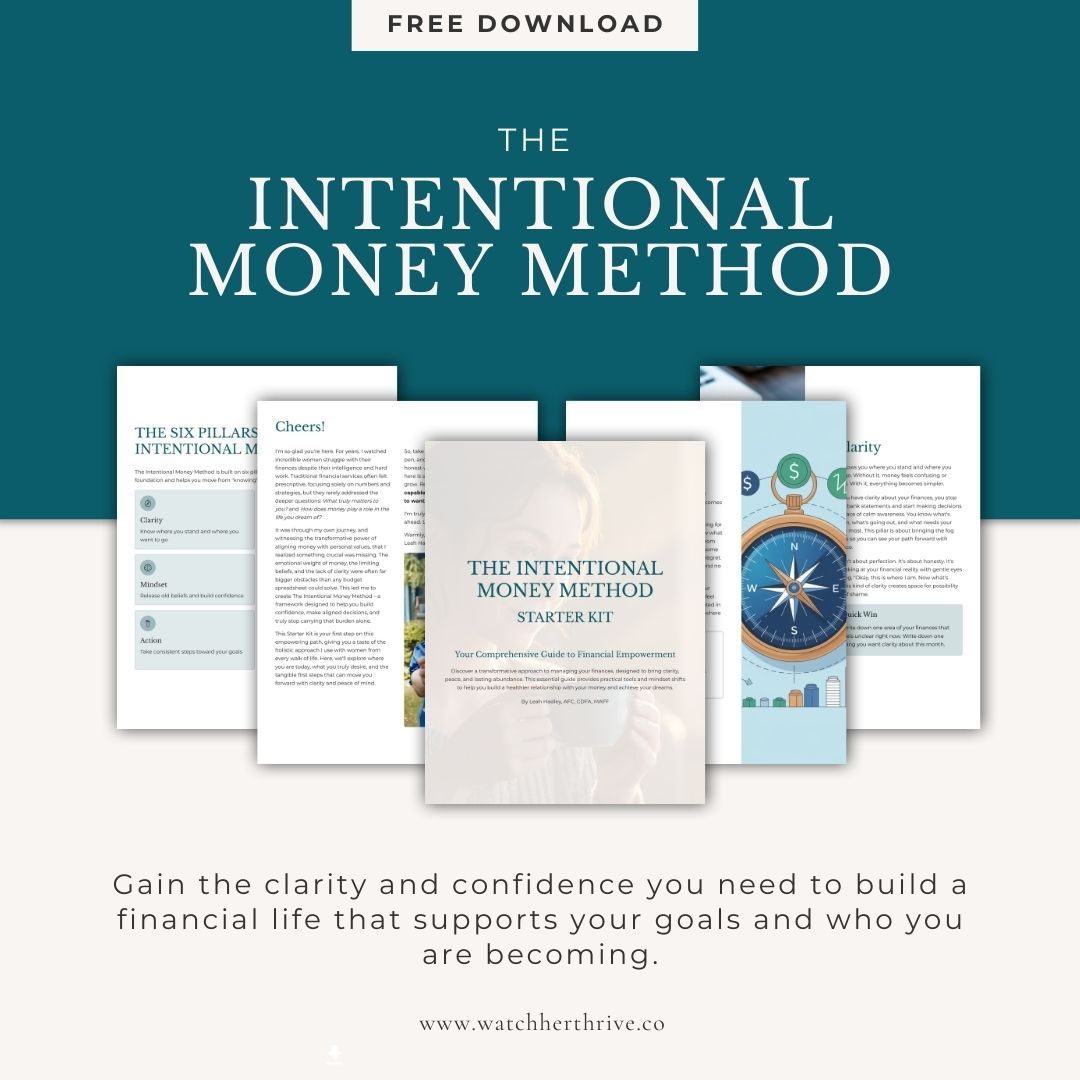
The book introduces the Intentional Money Method, built on six pillars: clarity, values, mindset, strategy, action, and support. It's designed for women who are tired of feeling behind or overwhelmed and want a values-centered approach to building wealth that actually fits their real life.
If the other books on this list have inspired you to think differently about money, *Intentional Money* will help you put it all into practice with a plan that's built around who you are and where you're headed.
Best for: Women navigating a major life transition, whether that's divorce, career change, becoming an empty nester, or simply deciding it's time to get intentional about your financial future.
---
Which Book Should You Read First?
That depends on where you are right now:
If you're brand new to personal finance: Start with Smart Women Finish Rich or Get Good with Money. Both give you a solid foundation without overwhelming you.
If you know the basics but feel stuck: You Are a Badass at Making Money or The Psychology of Money will help you break through the mental blocks that are holding you back.
If you're ready to think bigger: We Should All Be Millionaires and Rich Girl Nation will push you to expand what you believe is possible.
If you want a plan that connects money to your life: Intentional Money was written specifically for this moment.
The truth is, you can't go wrong with any book on this list. The most important thing is that you start. Pick one, read it, and then come talk about it with us inside the Empowered Sisterhood, our community of women who are doing this work together.
Because the best financial advice in the world doesn't mean much if you're doing it alone.
---
Ready to join a community of women building financial confidence together? [Learn more about the Empowered Sisterhood →]
Free: Intentional Investing for Women
My 24 page guide to aligning your portfolio with your goals. If investing has always felt like a language other people speak, start here.
Leah Hadley, AFC, CDFA, MAFF
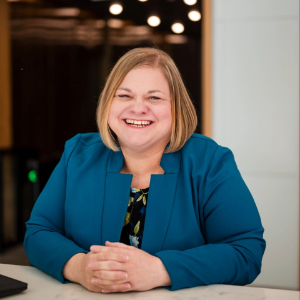
Leah Hadley, AFC® CDFA® MAFF™, is a bestselling author and financial planner with over 20 years of experience helping women build wealth with intention. She is the founder of Watch Her Thrive and Intentional Wealth Partners, and the author of Intentional Money: The Modern Woman's Guide to Building Wealth, Purpose & Peace.

Amazon Affiliate Disclosure
Watch Her Thrive is a participant in the Amazon Services LLC Associates Program, an affiliate advertising program designed to provide a means for sites to earn advertising fees by advertising and linking to amazon.com.
Investment Advisory Disclosure:
Leah Hadley is a Licensed Investment Adviser Representative and the Founder of Intentional Wealth Partners, a Registered Investment Adviser. Advisory services are offered exclusively through Intentional Wealth Partners.
Watch Her Thrive is not a Registered Investment Adviser and does not provide individualized investment advice, financial planning, or securities recommendations. All content provided through Watch Her Thrive is for educational and informational purposes only.